


Alisa Cohn charged her first coaching client $250 a month for three sessions. She’d met him through a vendor fair at her gym, where she was offering free coaching sessions. That was more than two decades ago.
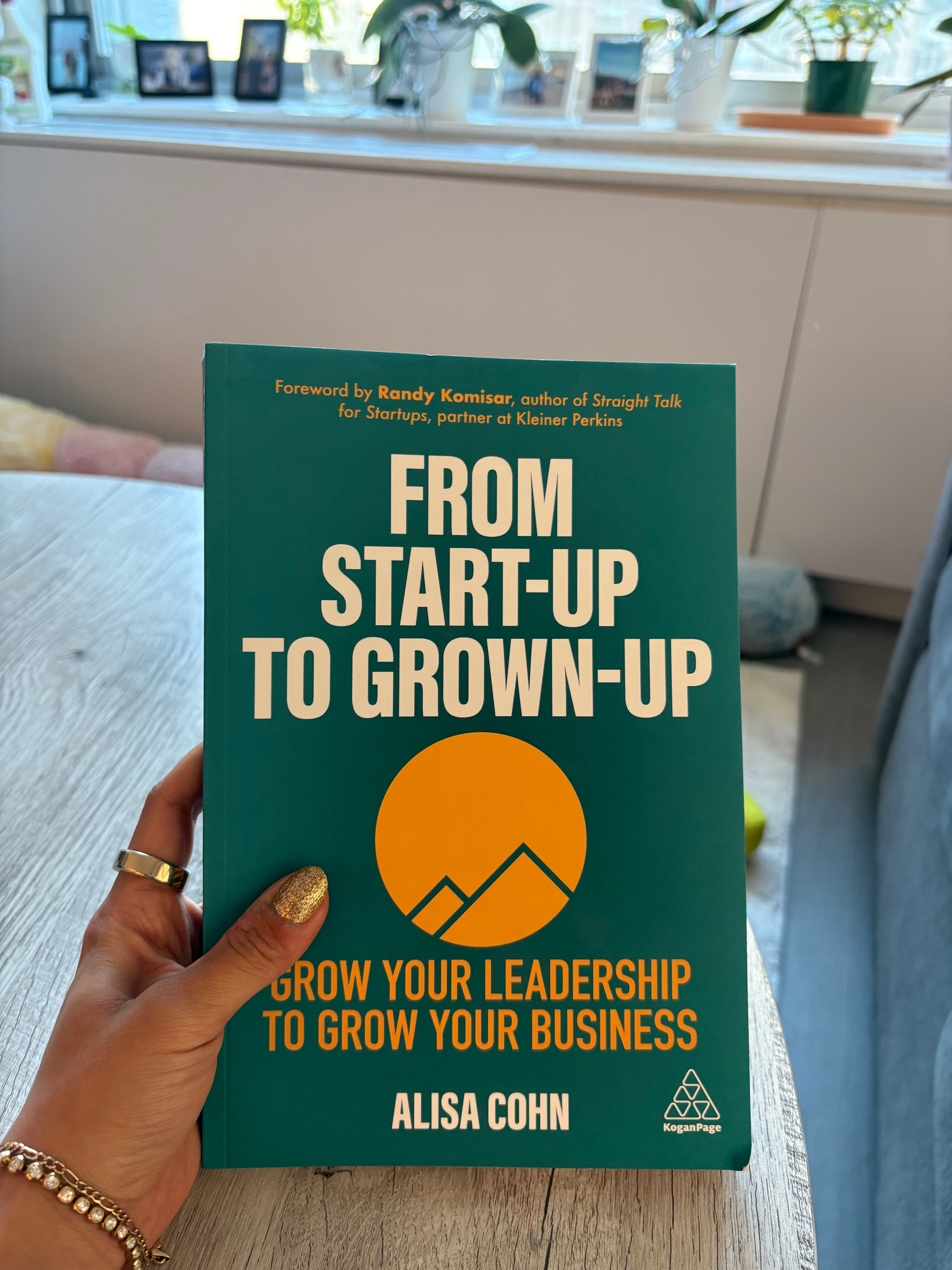
Today, she’s a seasoned executive coach for scaling founders and C-suite leaders, and the author of From Start-Up to Grown-Up. She writes for the Harvard Business Review and Fast Company, and has been on the Tim Ferris show. You can also find her advice for startup founders and leaders on LinkedIn and Instagram.
She’s also currently co-writing The Definitive Guide to Becoming a Coach, about how to build a thriving coaching business, expected in October 2027 from HarperCollins. (Sign up for the newsletter, where she and her co-authors will be sharing resources over the next year.
I’ve dabbled in coaching myself, and I know a lot of you are interested in turning your expertise into a business. It’s one of the most accessible ways to start: helping someone work through a problem you already know how to solve. But for something that seems to be everywhere, there’s still a lot of confusion about what coaches do, what qualifies someone to become one, and how you know it’s helping.
Alisa has spent more than 20 years building her practice and now helps other coaches build theirs. She’s the real deal and both incredibly sharp and generous with her advice, so I wanted to ask her: how she helps clients, where her first paying clients came from, how she figured out what to charge, and how she keeps evolving her business.
This is a full circle moment, because I first met Alisa at a dinner for the launch of Becoming Self Made, Relay’s podcast highlighting small business owners solopreneurs, and they’re sponsoring this newsletter!
We talked about:
Getting your first paying client, including the free sessions that led to Alisa’s first booking and how she picked her starting price.
Finding a coaching niche through work you already know. Her finance background got her into companies where she went on to coach leaders.
Knowing whether your coaching is helping, with specific changes to look for in a client’s decisions and how they manage their team.
Getting clients beyond referrals, and the time it takes to keep up with LinkedIn, a newsletter, and the rest of the marketing.
Trying coaching while you still have a 9-5, especially if you’re worried you aren’t qualified or feel awkward telling your corporate friends.
This interview has been edited for length and clarity.

Start coaching before you leave your 9-5
Hannah: What first made you want to try coaching?
Alisa: Before I was a startup executive, I was a strategy consultant at PricewaterhouseCoopers. That was the moment I realized this was not for me. They were great to me, but it wasn’t the kind of work I wanted to do. It was too big. The music in my head was, “I want to make an impact. The work of my hands matters.”
I was talking to friends and going to conferences. A friend dragged me to a conference called Body and Soul, where we were volunteering. I heard a coach named Cheryl Richardson speak to the volunteers, and I really saw myself in her. She was so dynamic and focused on helping people get past their limiting beliefs.
She encouraged me to get coach training, so I did. Then I coached all my friends for free.
In the meantime, I left PwC and joined the startup world. I was the CFO of one startup and the head of strategy at another. This was around the time the startup world imploded.
The company I was working for shut down its Boston office, where I was based. They said, “Come to California, and we have a job for you here.” I said, “Nope, I’m going to become a coach now.”
On a Friday, I said I was going to become a coach, and on Monday, I became a coach.
How she found her first client at the gym (and picked a price)
Hannah: How did you get your first paying client?
Alisa: I’d taken coach training and spent time coaching friends for free. Then I got referrals to strangers I could coach for free, both to gain skills and to get testimonials and referrals. A few of them referred me to other people, and I followed up.
I also decided to teach at the Boston Center for Adult Education. Because I’d been at PwC, had my MBA, and was a CPA, I had credibility on finance. I also had a lot of passion for helping people with their finances, so I taught a class about financial freedom.
Then my gym, Boston Sports Club, was having a vendor fair. I thought, “I’m going to go down to the vendor fair and be a vendor.” I had people sign up for a free coaching session.
It’s like a sample. They can see how you can help them.
A lot of people didn’t show up for the call. Some showed up and didn’t hire me. But the first person who officially hired me was Rick Samuels. He showed up, we talked, I did a little coaching with him, and he said, “Great, let’s get started.”
Hannah: How did you decide what to charge?
Alisa: I didn’t know how much to charge. I picked a number a little out of the air and based on how much I’d been paying my own coach. I picked $250 a month for three sessions.
That’s the value of not feeling like you have to charge a premium fee on your first day.
Your previous career can help you find your coaching niche
Hannah: How did you move from financial coaching into working with startup founders and leaders?
Alisa: I was networking with coaches and getting my name out there. A friend had a client looking for someone to teach business acumen as part of their curriculum.
I was perfect for that because I’d become a coach and was also a CPA. She put me forward, and I thought, “I’m going to work my way into the leadership curriculum.” I did that by being a great facilitator and instructor for their business acumen program.
When you start inside a company, they have a fee structure. Especially when you’re early, they tell you how much they’re going to pay you. That was helpful because it gave me a guideline for what people get paid for that work.
A number of years later, I moved to New York. I’d been a startup executive, and I was excited about the startup community that was being built.
I was having coffee with someone now and again over a year and a half. He often didn’t answer my emails. I was asking questions and making insightful comments. Then he said, “Do you do management training?”
I thought, I have a marketing problem if you don’t already know that.
He connected me to the HR person at Foursquare. I started doing manager training and coaching executives there. A number of those people referred me to others.
It made complete sense for me to coach inside startups. I’d developed my expertise in coaching, loved startups, and had a lot of startup experience.
How to stand out as a coach in a crowded space
Hannah: How did you build the confidence to help people as a coach?
Alisa: You learn by doing. There are the reps from training, coaching friends for free, and coaching strangers for free.
I’d always been the person people came to for advice. I had good instincts and intuition, and I had a background from consulting and business school.
The tools of a coach are deep listening, intuition, and being willing and able to ask the hard questions other people are too polite to ask. When someone says, “I don’t know,” I’ll ask, “What if you do know?”
Especially now, I have a lot to add because I’ve seen the movie before. I have wisdom and advice from experience.
Hannah: How has your coaching changed over the years?
Alisa: I’ve gained more confidence and expertise. I’m more willing to ask deeper, probing questions and share my observations, even if they’re challenging for someone to hear.
That makes me a better coach. I’m more able to be honest based on my experience and confidence. If anything, I’ve gotten more direct.
I’m always rooting for my clients, and I’m never mean. It’s about saying, “This is what I see,” because I want everyone to win.
Hannah: What makes your approach different?
Alisa: You pick and choose from what you learn. I’ve learned from amazing people, including my mentor Marshall Goldsmith, and I’ve been able to borrow from them. Other people borrow from me.
There’s nothing really proprietary about any kind of coaching. It’s how you put it together in your own personalized package.
My special sauce is my personality, asking good questions, being direct, and having confidence in what I’m saying.
How to tell if your coaching is working
Hannah: How do you describe the results your coaching creates?
Alisa: I think about it from three perspectives.
First, the person’s internal state. Things are going better. They have less self-doubt and can move quicker.
Second, other people around them see the change. They notice the person is moving more quickly, becoming less of a bottleneck, delegating more, or micromanaging less.
Third, business results. They can make quicker decisions. They’re not second-guessing themselves or rethinking everything. Meetings run more smoothly and efficiently.
More than one client who sold their company has said, “I couldn’t have done it without you.” That has to do with their growing maturity as leaders, being able to see opportunities and capitalize on them, and how that accrues to the business over time.
How clients get to know her before they hire her
Hannah: Beyond doing great client work, what has helped grow the business?
Alisa: People are happy with our coaching and make a lot of progress, so they refer me to other people.
I’ve also built a brand. I’ve been on the Tim Ferriss Show, I speak at conferences, and I wrote a book. I’ve built a following on LinkedIn over time.
When you build a brand, people begin to trust you. They also get to know you through your book, your LinkedIn posts, and what other people say about you. That’s massively helpful for sales and marketing.
Building a coaching practice also means becoming a marketer
Hannah: What’s changed about how you run the business over the years?
Alisa: It’s been an increasing journey of taking myself seriously as a business. As a solopreneur, sometimes you can feel like, “It’s just me doing my thing.”
I’ve had to develop more systems. I manage two virtual assistants and am more intentional about social media and my newsletter.
A long time ago, I wanted to diversify my client base, so I started a monthly newsletter. I never got 12 issues out. Never. I realized I had to be more consistent with the newsletter, the podcast, and everything I put out.
That’s part of taking yourself seriously as a business.
Hannah: How do you decide where to put your marketing time?
Alisa: It’s challenging. I write for Harvard Business Review, Fast Company, and Inc. All of that together is another full-time job.
I have “short blanket syndrome.” Your feet are cold, so you pull the blanket down, and now your top is cold. You pull it up, and your feet are cold again. Same goes for marketing myself.
If I’m focused on LinkedIn, I drop Instagram for a minute. If I’m focused on Instagram, I forget to write an article. Sometimes my newsletter is a week behind. Those are the truths about supposedly having it all together.
I started with LinkedIn because it made sense that my people were there. Then it was about being consistent and having systems to make that work.
Instagram is a different muscle. I’m learning how to do it. I wanted to build a following to help market my next book.
I used to think it was embarrassing or cringe. Then people in real life started saying, “I love your Instagram. It’s so helpful.”
Now I see myself as an Instagram educator.
Why choosing coaching as a career felt “low status”
Hannah: Did it feel uncomfortable to leave a prestigious career for something without a fancy title or institution behind your name?
Alisa: I went to Cornell for business school. It’s a name brand, so you feel like you have to do something high status.
When I left PwC for startups, then left startups to become a coach, I was embarrassed. I didn’t tell my friends for a period of time.
Part of it was leaving a prestigious situation for something I wasn’t sure would work. Another part was that I’d done this, then that, then something else. I thought they were going to say, “What’s she doing now?”
My former CEO pointed out that we had this chip on our shoulders from having fancy business schools attached to us. Another colleague hadn’t graduated from college. For him, anything he did was fine. For us, we felt like we had to fulfill some sort of status.
That opened something up for me. He was right. I started wondering what I was trying to prove.
Over time, that changed. Now I think entrepreneurship is the highest-status thing there is. I love entrepreneurship and solopreneurship. But when I started, it felt uncomfortable because it wasn’t high status enough.
How to test coaching before you commit to it
Hannah: What’s the first step for someone who wants to try coaching but worries they aren’t qualified yet?
Alisa: Everybody needs to find their own 5-9, whether you call it a side hustle or an extra area of expertise. Build skills in AI, marketing, communication, or storytelling, and think about what you have to offer.
There are two aspects to getting started.
One is talking to people. Begin helping people and asking good questions. Have coffees and see what resonates in real life about what you’re sharing and how you interact.
The second is building your brand. Post your thoughts and ideas on LinkedIn.
People are embarrassed even to write their thoughts on LinkedIn. But you’re practicing posting. Over time, people begin to respond. They agree or disagree, and you get encouragement or redirection into conversations. You see which ideas take flight and which don’t make sense.
That’s how you build your understanding of what you have to offer as a coach.
You’ve got to start and learn as you go.
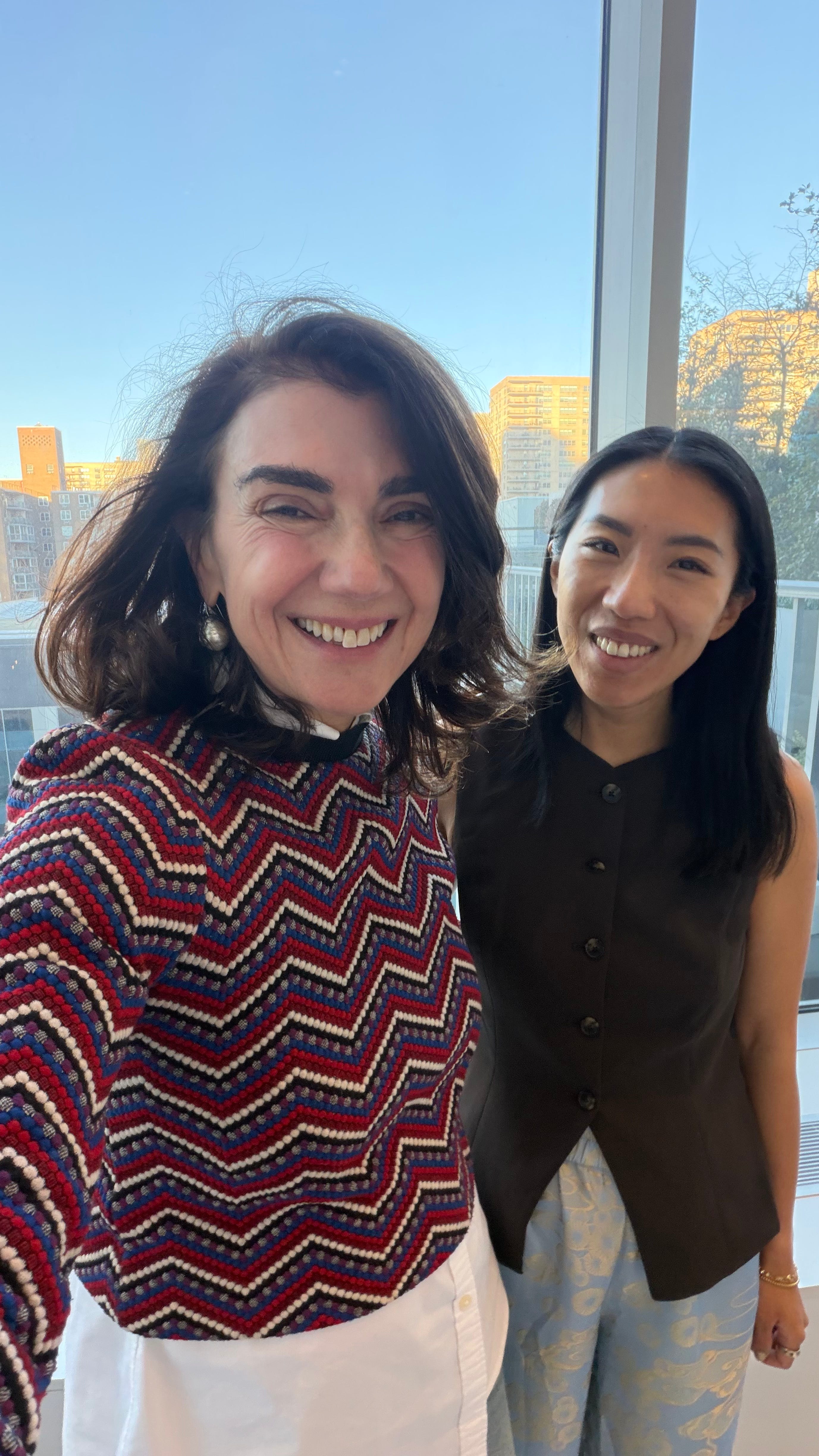
Connect with Alisa on LinkedIn and Instagram, explore her work at alisacohn.com, and read From Start-Up to Grown-Up.
For her upcoming book, The Definitive Guide to Becoming a Coach, sign up for the newsletter.
Thanks to Relay for sponsoring this newsletter! If you’re turning your expertise into a business, its business banking platform helps you keep track of what you’re earning, spending, and saving. Explore Relay here.
*Relay is a financial technology company and is not an FDIC-insured bank. Banking services provided by Thread Bank, Member FDIC.*