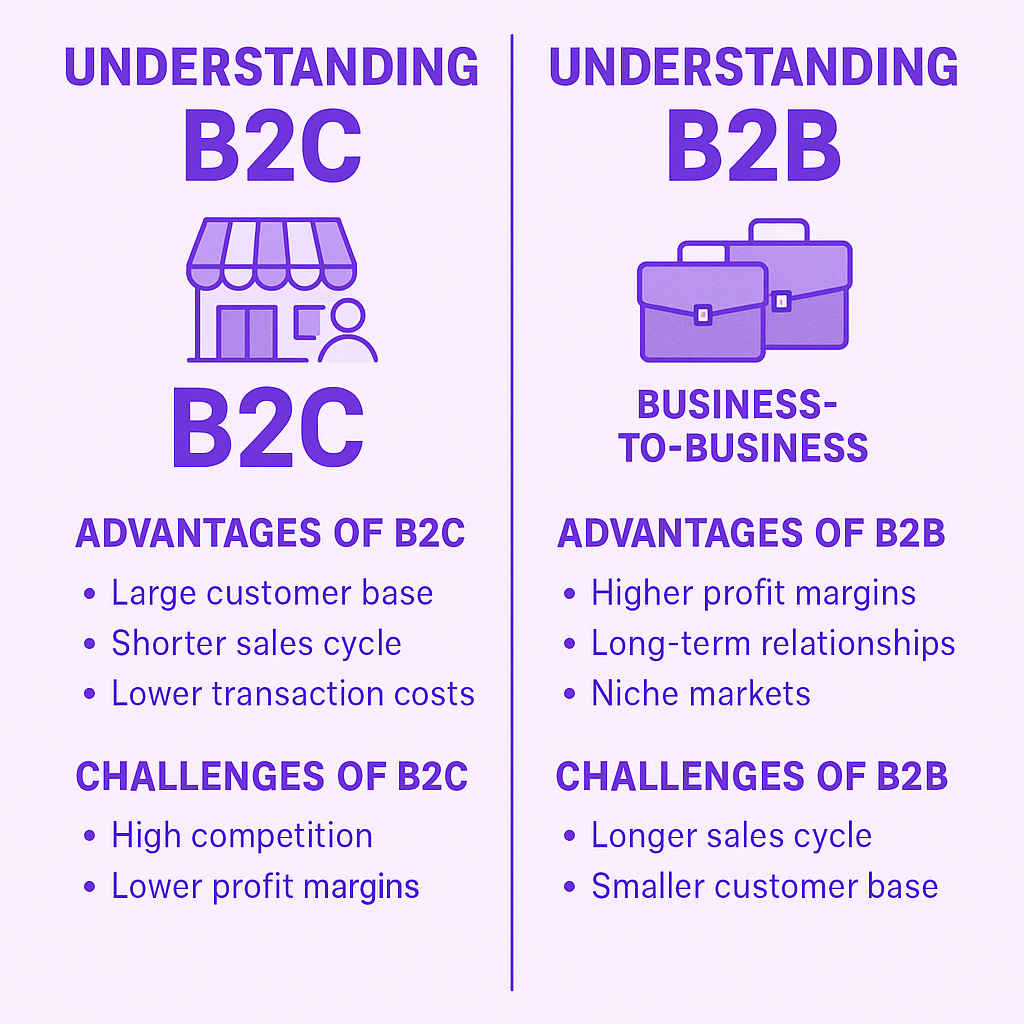
Unsexy companies are where the money (and career growth) is. Whether you’re looking for a job or interested in building a business.
We’re always talking about Duolingo, Netflix, or Airbnb. The fun consumer products. The ones with great branding and addictive UX.
When I was first breaking into tech, I used to think those were the only companies worth working at, because I wanted to work on something I’d actually use, something my friends would recognize, something cool.
Nobody told me about companies like Databricks, Snowflake, or Rippling.
These aren’t apps your mom’s heard of. They’re B2B companies, not B2C. And as I learned later, they’re where a lot of the money (and career growth) lives. I wish someone sat me down and explained this to me earlier!
A few key reasons why:
B2B pricing and profitability: In B2C, your average customer might bring in a few dollars a month. (Duolingo’s ARPU is under $4.) In B2B, a single customer can be worth thousands—or hundreds of thousands—via multi-year contracts and usage-based pricing.
More predictable revenue = more leverage: That kind of recurring, stable income gives B2B companies room to reinvest in growth, expand their teams, and offer better comp. Especially true in SaaS.
Complexity creates niche, high-impact roles: Because B2B tools are often built for specific workflows or industry pain points, there’s constant need for people who can translate between tech and end users. This is where roles like Solutions Engineering, Product Marketing, or RevOps thrive—often generalist-friendly, and often in demand.
Niche expertise builds a moat (for your career and business): It takes time to develop real fluency in something like Accounts Payable automation (e.g. Ramp), procurement workflows, or compliance tooling. But once you do—whether as an operator or founder—it becomes a huge advantage. Everyone has an opinion on a consumer app. Far fewer understand how to streamline underwriting workflows or scale customer onboarding for enterprise clients.
4 ways to start exploring B2B
Find the B2B version of something you already love.
Into fashion? Look at wholesale platforms or product lifecycle management tools (e.g., JOOR, Backbone).
Into fitness? Try gym scheduling or coaching platforms (e.g., Gymdesk, Mindbody).
Into food? Explore supplier marketplaces or restaurant SaaS (e.g. Lunchbox.io, Cheetah)
Sales Enablement – helps GTM teams operate more effectively
And yes—B2C is more fun.
If there’s a company you truly love as a consumer or a consumer product you’re dying to build, and it speaks to you on a personal level, go for it. But just know:
It’s much more competitive
It’s often harder to build something profitable (success often hinges on selling massive volumes)
And when your passion becomes your job? It won’t feel as fun anymore
Try it as a side hustle while building your skills in B2B. And don’t sleep on the companies you’ve never heard of—they’re often the ones hiring smart generalists, solving real problems, and growing fast.
What do the smartest people building careers in tech have in common? They spend 5 minutes every morning reading The Hustle. The Hustle’s daily newsletter is a breezy, 5-minute morning read that keeps me sharp on everything business and tech (B2B and B2C!). Join 2M+ innovators and sign up today.
Tech Jobs I'd Apply to This Week
Curated US roles (mostly) for generalists in tech with ~2+ years of experience.
Typically includes: Strategy & Ops / BizOps / GM, Chief of Staff, GTM, Program/Project Manager, Product & Product Marketing, etc.
Senior Partnerships Manager – Deel (HR tech, Remote – North America)
Strategic Finance Business Partner, Corporate Finance – Harvey (AI / LegalTech, Series D, SF/NYC)
General Manager – Ordo (EdTech, Early Stage, California-based)